

Cruises, coal, kerosene: It is now well known that these are three of the largest emitters of greenhouse gases and CO2 of our time. They are responsible for the largest emissions of carbon dioxide. But there is another word that begins with "C" and is at least as damaging to the environment and our climate: Consumption. The consumption of fashion and technical devices is particularly noteworthy here. In this blog post, we describe why the consumption of clothing and technical hardware, in particular, is so environmentally harmful and how you can improve your carbon footprint and ecological footprint despite consuming. Because climate protection concerns us all.
Bought, but never worn
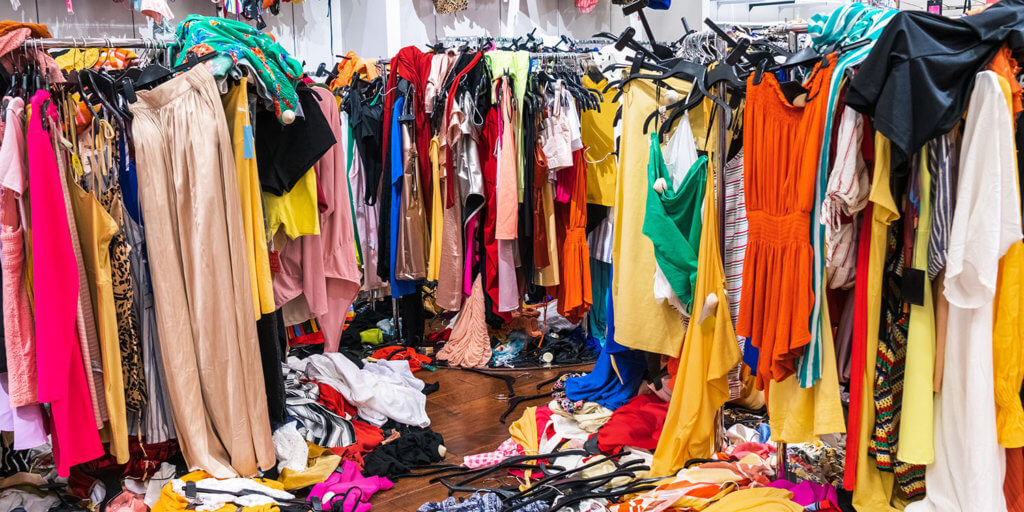
Let's start with clothes. In our throwaway society, many people spend money on clothes they never or rarely wear. In Germany, on average, every 5th item of clothing remains unworn in the closet at home and goes directly into the trash from there. That corresponds to 20 percent.
- Use of pesticides for cotton production
- Mass production and manufacturing of clothing with toxic chemicals
- Imports from distant countries such as Cambodia, India, China, and Bangladesh
All these factors ensure that the carbon footprint of most garments is significantly worse than, for example, that of the 10 plastic bags, which we now reuse several times instead of throwing them away immediately.
A new smartphone every 2 years at the latest
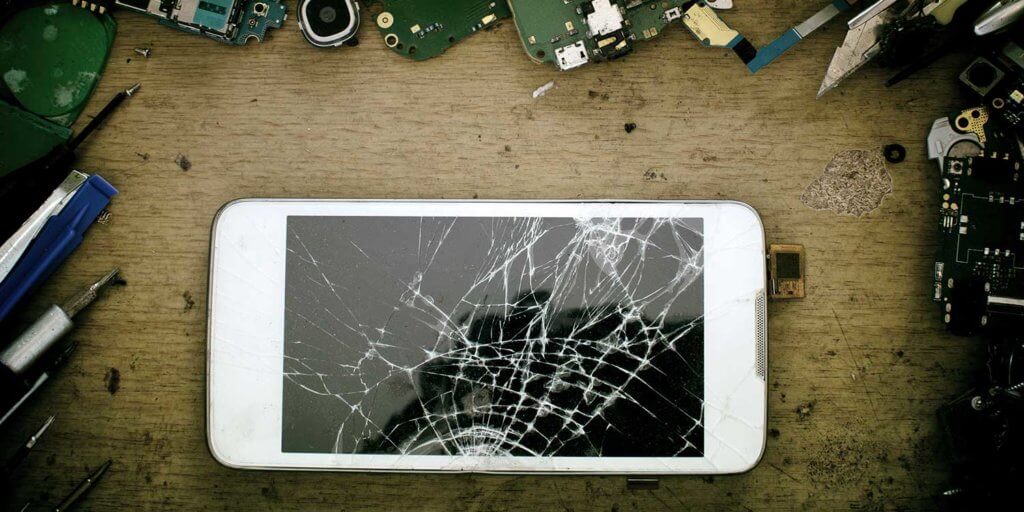
The carbon footprint of technical hardware is also poor. For example, smartphones, televisions, computers, and game consoles are increasingly being replaced, even though the old devices still work perfectly.
Honestly:
- Do you only buy a new smartphone or a new PC when the old device is irreparable and defective?
- Or do you use manufacturers' arguments like better resolution, more storage space, and new features to perhaps get a new model before the end of your old smartphone/PC's life?
With two-year contracts and the promise of the latest device, manufacturers and network operators have been fueling this trend for years. What remains are large mountains of electronic waste with large quantities of problematic waste that has so far not been recycled or is very difficult to recycle. It is no coincidence that the majority of toxic electronic waste ends up in African countries, especially Ghana. The United Nations estimates that between 20 and 50 million tons per year end up there alone. Here, "prosperity waste" is stripped down and searched for raw materials such as copper or gold. The rest is burned. This produces toxic fumes that travel directly into the atmosphere without filters.
Avoid clothing waste and electronic scrap, improve your carbon footprint: What you can do!
Improving your own carbon footprint is as simple as it is difficult to implement: We need to consume less!
Since consuming less is extremely difficult for many, here are a few ways to improve our CO2 emissions and carbon footprint somewhat despite consumption, without major restrictions.
Let's start with clothing again
- Only buy what you really need – sounds simpler than it is.
- Buy second-hand. Very often you can find like-new, sometimes unworn clothes on eBay or in classified ads. And significantly cheaper too.
- Buy fair fashion: It is primarily the smaller stores that produce in a more environmentally friendly way.
- Visit alteration tailors – that's always better than throwing away clothes that no longer fit.
And for technical devices and hardware
- As long as the old device is still fully functional, resist the urge to have a new model of something every one to two years – sounds simpler than it is for some.
- Buy used and sell old devices – but remember to irrevocably delete existing data using a data shredder beforehand.
- Dispose of properly. Batteries and electronic waste do not belong in household waste, but at the recycling center. Electrical retailers must also take back your old devices without you having to buy something new for them.
- Software update instead of hardware replacement: It is not always necessary to buy a new device for the latest features – sometimes it is enough to update the device's firmware or drivers accordingly.
- And our tip for old, aging PCs and laptops: Using tuning tools like AVG PC TuneUp Utilities, you can optimize and clean your old computer and make it like new again. The significantly cheaper and more environmentally friendly alternative to a new PC.
Further tips with which you can improve your own carbon footprint
Of course, the superfluous consumption of IT and clothing are only two of many levers one can pull to reduce CO2 emissions. Below is a brief compilation of known and perhaps less known tips to reduce your CO2 output. These tips do not save tons - but you can certainly save some grams or kilograms of CO2 over the year:
- Use green electricity or electricity from renewable energy sources, or try to consume less electricity/energy.
- Have important documents sent to you by email from banks, insurance companies, employers, etc., not by mail to your address.
- Search queries via Google and co. consume a lot of energy. If you know a website, enter the URL directly in the browser.
- Focus on sustainable products.
- Overcome your inner couch potato and do without your car more often. Using a bicycle and public transport are good alternatives.
- Locally grown food has a lower CO2 footprint than fruit and vegetables from overseas.
- The optimal room temperature in the bedroom is between 16 and 18 degrees. You can usually achieve this even in winter without having to turn up the heating fully.
- Try to reduce the amount of waste in your household as much as possible.
- Showering saves water


